

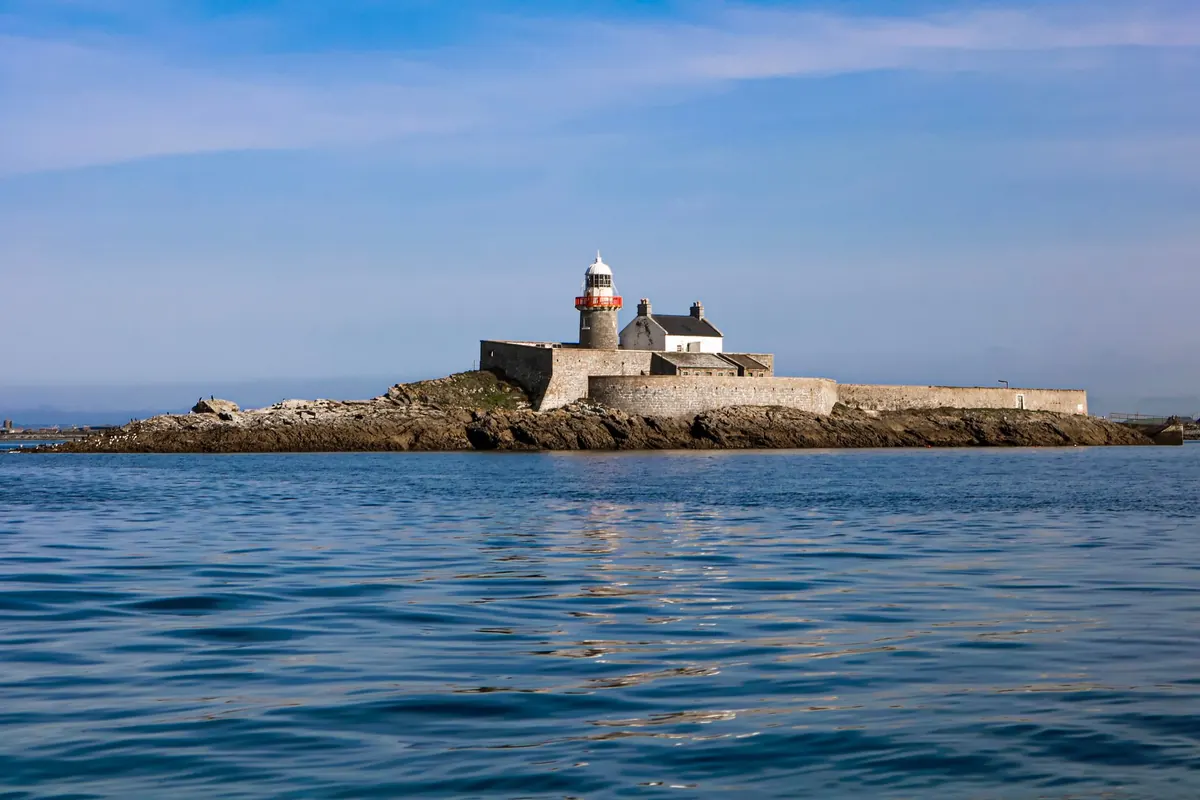
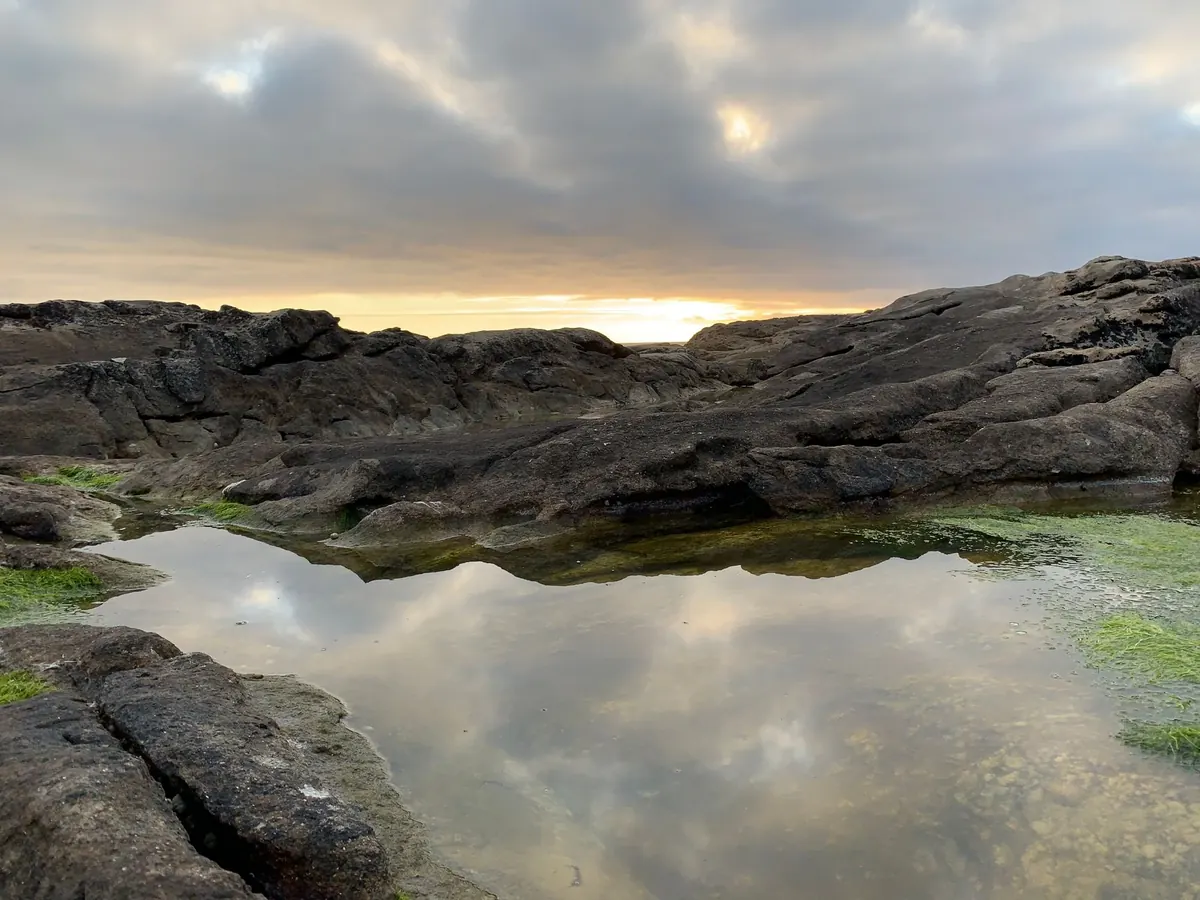

Two short branch lines, two completely different Cornish days out. The St Ives Bay Line leaves St Erth and has the Atlantic in view within minutes. The Looe Valley Line leaves Liskeard and burrows straight into oak woodland, following a river the whole way down. Both are worked by Great Western Railway, both take well under half an hour, and both beat driving hands down. Which one you choose depends on the sort of day you're after.
The two lines at a glance
- St Ives Bay Line: St Erth to St Ives, about four miles, five stations, roughly fifteen minutes end to end.
- Looe Valley Line: Liskeard to Looe, around nine miles, six stations including four tiny request-stop halts, about half an hour.
- Both meet the main line at their inland end, and that's where the sensible parking is.
- Both welcome dogs and both get busy in summer. Both are far quieter in spring, autumn and winter.
Scenery: big sky versus green tunnel
St Ives Bay Line
The water arrives sooner than you expect. Within a couple of minutes of leaving St Erth the train is running beside the Hayle estuary, then along the dunes at Lelant, where curlews work the mudflats at low tide. After that it's all open coast: Porthkidney Sands, Godrevy lighthouse away to the north, the curve of Carbis Bay, and finally the whole sweep of St Ives Bay with the town stacked up behind the harbour. It is a bright, wide, slightly show-off view, and it lasts most of the journey.
Looe Valley Line
This one is a slow, green, tucked-in sort of ride. Oak and ash close over the track, the River East Looe slides along beside you, herons and egrets stand in the shallows, and the halts are so small that some of them have no road to speak of. Near Sandplace the valley widens and you catch the estuary ahead. Then the train runs into Looe itself, past the bridge and the fish quay, and stops a short walk from the beach.
Journey length, frequency and connections
Time is the biggest practical difference between them. The St Ives trip is over almost before you've settled: about fifteen minutes from St Erth, less from Lelant Saltings. Trains run roughly hourly for much of the year, with a much denser service in the summer months. The Looe Valley Line takes around half an hour and runs roughly every two hours, with longer gaps on winter Sundays. Miss one and you will notice.
Connections matter too. St Erth sits on the main line between Penzance and Plymouth, so the branch slots neatly into a day out from Truro or further east. At Liskeard the branch platform is separate from the main line platforms, so allow five or ten minutes to cross rather than sprinting with luggage.
One quirk is worth knowing before you go: most of the Looe Valley halts are request stops. You may need to signal the driver to pick you up, and you should tell the conductor if you want to get off at Coombe Junction, St Keyne, Causeland or Sandplace.
Parking and getting to the start
Park at the main line end of either route and let the train do the hard work.
St Erth has a station car park and is the obvious base for the St Ives Bay Line. Lelant Saltings has long been used as a park and ride for the branch, though it's worth checking current arrangements before you rely on it. If you insist on driving into St Ives, the car park beside the station is small and the one at Trenwith fills early on summer mornings, while the approach roads can be slow from mid-morning onwards. The train sidesteps all of it.
For the Looe Valley Line, park at Liskeard station and ride down the valley. Looe's Millpool car park sits close to the station, but it's a favourite and fills quickly on warm days. Arriving by train also drops you within a short walk of the quay, which is where you probably wanted to be anyway.
Best seats on each line
On the St Ives Bay Line, sit on the left-hand side as you face the direction of travel towards St Ives. That's the sea side: estuary, dunes, Godrevy in the distance, then the bay. Coming back, the right-hand side does the same job. Board early at St Erth in summer, because the branch trains are short and the good windows go quickly.
The Looe Valley Line adds a twist. The train reverses at Coombe Junction, just below Liskeard, so whichever side you pick at the top won't be the side you want for the rest of the trip. Sit tight through the reversal, then move to the river side once the train is heading down the valley. On quiet services there's usually room to swap; on a full one, take the window you can get and enjoy the fact that you're not driving.
Travelling with a dog
Because both lines are operated by Great Western Railway, the rules are the same on each. Dogs travel free of charge, generally up to two per passenger, and they need to stay on a lead and off the seats. Assistance dogs are always welcome.
The practicalities differ. The St Ives Bay Line runs frequent but short trains in summer and they can be genuinely packed, which is no fun for a nervous dog. Early morning and late afternoon services are calmer. The Looe Valley Line is quieter overall, but the trains are small and several halts have no ticket machine, so buy online or at a staffed station before you travel. On hot days, don't leave a dog in the car at a park and ride while you ride the branch for fun.
Which line suits your day?
Choose the St Ives Bay Line if you want coastal views, a quick hop and a town at the end of it with beaches, galleries and plenty of places to eat. It's the easier line to build a day around because the trains are frequent and the connection at St Erth is straightforward.
Choose the Looe Valley Line if you'd rather have woodland, water and quiet, and you don't mind planning around a sparser timetable. It rewards a slower approach: get off at St Keyne for the wishing well, or ride the whole way and spend the afternoon on Looe's quay.
If you have the time, ride both. They're short enough to fit into one stay, and both ends connect to the main line, so a day ranger covering bus and rail can work out cheaper than separate fares. Check times and ticket options with Great Western Railway before you set out, particularly in winter when timetables thin out and the last trains leave earlier than you might expect. Take a layer whatever the forecast says, and give yourself a buffer at either end so a delayed connection doesn't turn a gentle day out into a scramble.
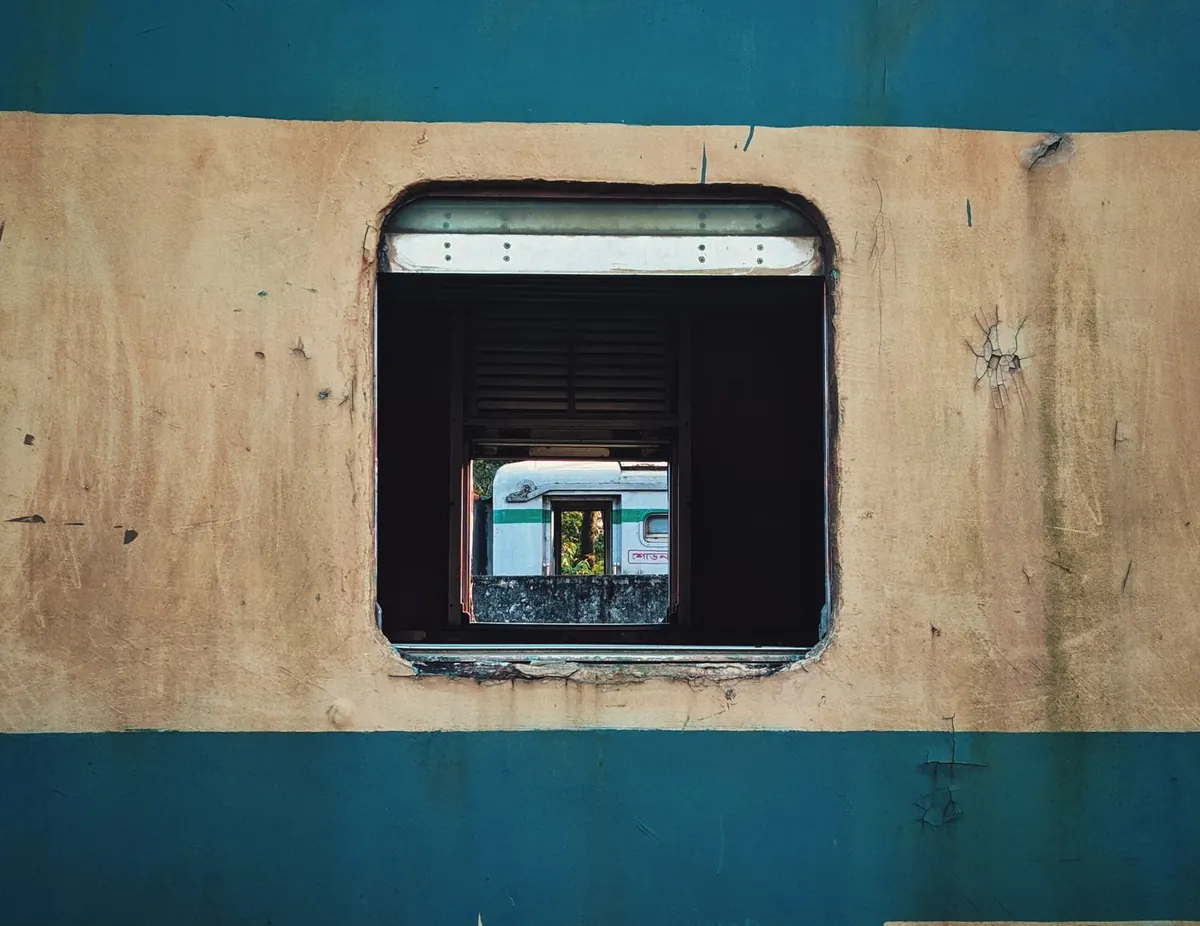
Photo: Rayhan Ansari / Pexels
Related posts
More stories you’ll love reading